


How Smart Monitoring Improves DC EV Charging Station Management
Aug 14, 2026
Connected Charging Operations
How Smart Monitoring Improves DC EV Charging Station Management
Smart monitoring converts charger status, session records, energy data and fault messages into information that an operator can act on. Instead of waiting for a driver to report an unavailable charger, the operating team can identify abnormal conditions, check recent events and decide whether the issue can be handled remotely or requires a site visit.
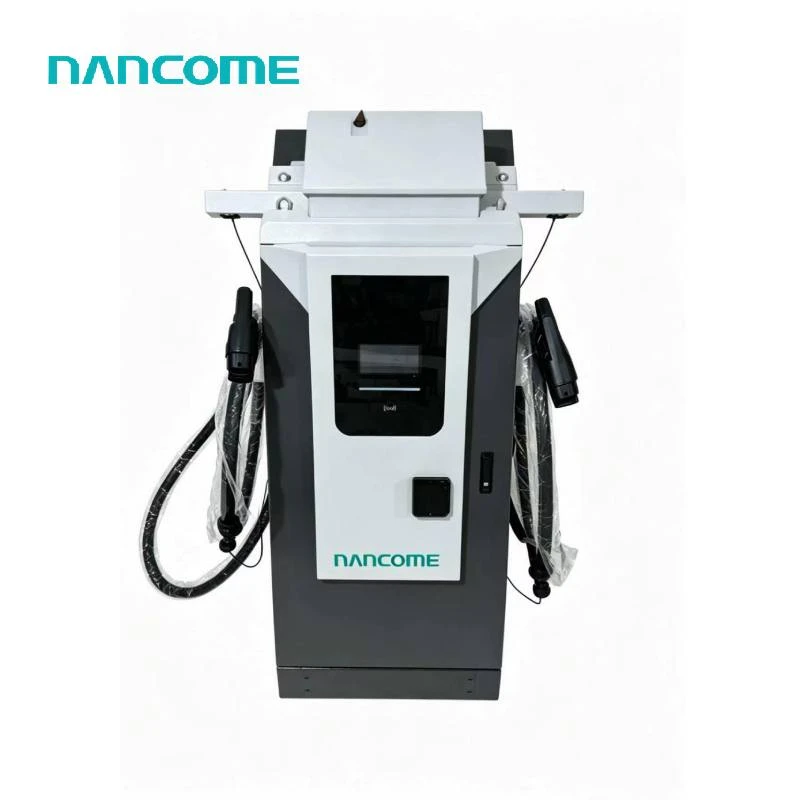
Data Path
From Charger Event to Operator Action
Effective monitoring requires the charger controller, communication network and central management system to exchange consistent data. The dashboard is only the final interface; reliable field hardware and correctly configured communications remain essential.
Charger records an event
The controller identifies a session change, alarm, energy reading, authorization result or operating-state update.
Data is transmitted
Configured network connectivity carries the information between the charger and its charging management platform.
Platform classifies it
The management system associates the event with the charger, connector, session and time record.
Operator responds
The operating team reviews the evidence, performs an authorized remote action or assigns field maintenance.
Operational Visibility
What Operators Need to See
A useful monitoring platform organizes information around operational decisions. Large data volumes are not valuable unless staff can distinguish a normal charging event from a condition requiring action.
- Availability: whether each connector is available, charging, reserved, faulted or offline.
- Session data: start and stop times, energy delivered and termination reason.
- Equipment events: alarms, communication interruptions and charger-reported fault information.
- Energy visibility: energy records by charger, connector, site or reporting period.
- User access: authorization results from RFID, application or other configured access methods.
- Remote controls: supported actions such as start, stop, reset or connector control.
Management Improvements
Six Ways Smart Monitoring Changes Daily Station Operation
Faster fault triage
Time-stamped events help the service team distinguish a charger fault from a vehicle, connector, authorization or communication issue before dispatching personnel.
Fewer unnecessary visits
An authorized restart or reset may restore service in some cases. Conditions involving damaged hardware, repeated protection events or unsafe operation still require inspection.
Better availability tracking
Operators can calculate how long connectors remain available, occupied, faulted or offline and identify recurring interruptions at a specific charger.
Clearer energy records
Session-level data supports consumption review, billing reconciliation and comparison between chargers or operating periods.
Planned maintenance
Repeated warnings, failed sessions and temperature events can be grouped by equipment history instead of relying only on fixed calendar intervals.
Network expansion control
A centralized platform gives operators a consistent method for adding chargers, assigning sites, managing user access and comparing utilization.
Monitoring Priorities
Data Points and the Decisions They Support
| Monitoring item | Typical data | Management decision | Limitation to recognize |
|---|---|---|---|
| Operating status | Available, preparing, charging, suspended, faulted or unavailable | Determine which connector can serve the next vehicle | Status definitions must be mapped correctly between charger and platform |
| Charging session | Start time, stop time, duration, energy delivered and stop reason | Review throughput, incomplete sessions and charger use | A long session does not automatically mean the charger delivered rated power continuously |
| Electrical measurements | Reported voltage, current, power and accumulated energy | Check charging behavior and investigate abnormal sessions | Available fields and sampling intervals depend on the equipment and platform configuration |
| Fault information | Alarm code, timestamp, affected connector and recent events | Prioritize remote checks or field service | A code identifies a condition; it does not replace safe diagnostic procedures |
| Temperature events | Reported warning, protection action or power derating event | Review cooling, airflow, ambient conditions and loading | Sensor locations and thresholds must be confirmed for the ordered charger |
| Communication status | Online state, connection loss, reconnection and message history | Separate network problems from charger hardware problems | An offline charger may still retain limited local operation depending on configuration |
| Authorization | RFID, application, fleet account or other configured access result | Investigate rejected sessions and manage permitted users | Access and payment workflows depend on backend integration |
Performance Measurement
KPIs That Turn Monitoring Data into Management Information
Raw event logs are mainly useful for diagnosis. Managers also need consistent indicators that reveal whether chargers are available, used and completing sessions as expected.
- Define the reporting period and whether scheduled maintenance is excluded.
- Measure connectors as well as complete charger cabinets when units have multiple guns.
- Separate vehicle-side, user-side, communication and charger-side failures where the data permits.
- Compare similar sites only after accounting for operating hours, traffic and available electrical capacity.
- Investigate trends over time instead of drawing conclusions from one isolated day.
Useful operating calculations

Connected charger hardware must exchange correctly mapped status, session and fault data with the selected management platform.
System Integration
OCPP and the Monitoring Architecture
OCPP provides a communication method between a charging station and a central management system. It can support status reporting, session information, remote commands, fault notifications and other functions according to the implemented version and configuration.
Protocol support alone does not guarantee complete integration. Buyers should confirm the exact OCPP version, supported profiles, backend platform, security requirements, network method and acceptance-testing procedure. Technical information about the protocol is available from the Open Charge Alliance.
Application Differences
Monitoring Priorities Change by Charging Site
| Application | Primary operating concern | Useful monitoring focus | Action supported |
|---|---|---|---|
| Public charging hub | Connector availability and driver access | Live status, authorization results, session completion and fault alerts | Restore service quickly and reduce failed customer visits |
| Fleet depot | Vehicles must be charged before scheduled departure | Charging progress, energy delivered, connector allocation and incomplete sessions | Intervene before charging delays affect dispatch |
| Highway station | High turnover and limited tolerance for downtime | Availability, repeated faults, session duration and power-delivery trends | Prioritize maintenance at high-demand locations |
| Commercial parking | Mixed users and variable dwell times | Access records, session activity, utilization and energy totals | Adjust access policies and review charger demand |
| Multi-site network | Consistent control across distributed equipment | Site comparison, offline alerts, device grouping and maintenance history | Coordinate technicians and identify underperforming locations |
Fault Management
A Practical Alert-to-Service Workflow
Classify the alert
Identify the charger, connector, timestamp, operating state and reported fault. Separate safety-critical events from operational warnings.
Check recent context
Review preceding status changes, session termination reasons, communication events and whether the same condition has occurred before.
Select a safe response
Use only approved remote actions. Conditions involving damaged cables, repeated protection trips, overheating or water ingress require field inspection.
Prepare the technician
Send the event code, charger identity, recent history and required tools or replacement components before the site visit.
Verify restoration
Confirm that communication, charger status and a controlled charging test return to normal after the work is complete.
Record the resolution
Link the fault, diagnosis, corrective action and replaced part to the equipment history for future analysis.
Procurement Requirements
What Buyers Should Confirm Before Selecting a Smart DC Charger
Related Products and Resources
Build the Hardware and Monitoring Requirements Together
Charging power, connector count, communication, backend integration and maintenance workflow should be specified as one operating system rather than purchased as disconnected features.
Buyer Questions
Smart DC Charger Monitoring FAQ
What information can a smart DC charger send to a management platform?
Depending on the charger, protocol and backend implementation, monitored information can include connector status, session start and stop times, energy records, authorization results, communication state, fault messages and selected electrical measurements.
Can smart monitoring restart a faulty DC charging station remotely?
A compatible system may support authorized reset or restart commands. Remote action should only be used when permitted by the equipment procedure. Repeated safety events, physical damage, overheating or suspected water ingress require qualified on-site inspection.
Does an OCPP-compatible charger work with every management platform?
Compatibility should not be assumed from the OCPP label alone. Confirm the OCPP version, implemented functions, security settings, platform-specific requirements and acceptance tests with both the charger supplier and backend provider.
Can a DC charger continue operating if its network connection is lost?
Offline behavior depends on the configured authorization and operating rules. Buyers should confirm whether local charging is permitted, which users can be authorized offline, how session records are stored and when data is synchronized after reconnection.
How does monitoring help reduce DC charger maintenance time?
Fault codes, timestamps, operating status and event history give technicians more information before a visit. This can improve fault triage, help prepare suitable tools or parts and prevent unnecessary dispatches for problems that can be resolved through an approved remote action.
Which KPIs are useful for managing a DC charging network?
Useful indicators include connector availability, utilization, session completion rate, average energy per session, offline duration and repeat-fault frequency. Operators must define consistent reporting periods and valid data rules before comparing chargers or sites.
What should a buyer provide for a smart DC charger quotation?
Provide the destination country, site type, charger power, connector standard, quantity, grid voltage, intended management platform, OCPP version, communication method, authentication workflow and required monitoring or reporting functions.
Specify the Monitoring Functions Before Finalizing the Charger
Send the charger quantity, required power, connector standard, backend platform, OCPP version, network method and operating workflow for a project-based configuration review.
Project Inquiry
Smart DC Charging System Request
Include the destination country, site type, required power, connector standard, charger quantity, backend platform, OCPP version, network method and OEM requirements.


