What is a Charging Network?
Sep 09, 2024
In the rapidly evolving world of electric vehicles (EVs), the concept of a charging network plays a pivotal role in enhancing the convenience, reliability, and widespread adoption of EVs. But what exactly is a charging network, and why is it so crucial for the future of sustainable transportation? In this article, we will explore the fundamentals of a charging network, its importance, and the value it brings to both consumers and businesses.

Understanding the Charging Network
A charging network refers to a system of interconnected EV charging stations that are centrally managed to provide seamless charging services to electric vehicle owners. These networks typically encompass a range of charging facilities, such as home chargers, workplace chargers, and public charging stations, integrated through an online platform. This platform allows users to locate, access, and pay for charging services with ease.
Components of a Charging Network
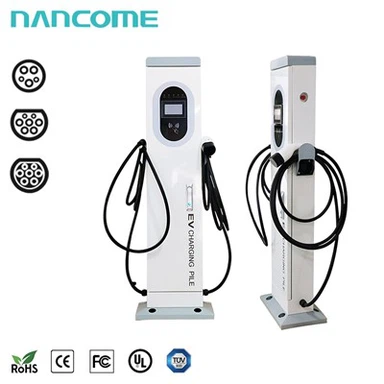
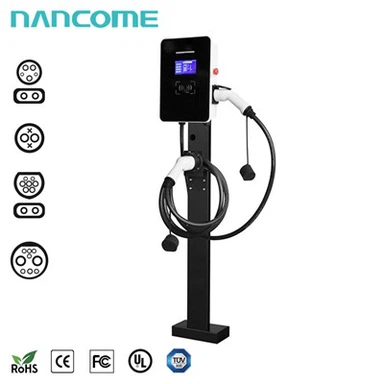
Charging Stations: These are the physical locations where EVs can be charged. They vary in type and power, from slow Level 1 chargers to fast DC chargers. Our company, for instance, offers commercial DC fast chargers with power ratings of 60kW, 80kW, 120kW, 160kW, 180kW, and 240kW, ensuring fast and efficient charging.
User Interface: This includes mobile apps and websites through which users can locate charging stations, check their status and availability, and initiate charging sessions. A user-friendly interface is essential for providing a convenient customer experience.
Payment System: An integrated payment system allows users to pay for their charging sessions using various methods, such as credit cards, payment apps, or subscription models. Our chargers support payment via credit card or PIN code, making transactions straightforward.
Networking and Communication: Charging stations need robust network connections, often using Ethernet or cellular networks, to communicate with the central management system for monitoring, billing, and maintenance purposes.
Central Management System: This backend system oversees the entire network, ensuring optimal operation, processing payments, maintaining security, and providing data analytics to optimize performance and user satisfaction.
Benefits of a Charging Network
1. Convenience and Accessibility
A well-developed charging network ensures that EV owners have reliable access to charging infrastructure wherever they go. This convenience helps alleviate range anxiety, a common concern among potential EV buyers about running out of power without a nearby charging station.
2. Improved User Experience
Charging networks often include features such as real-time station availability, booking options, and route planning that identifies the most convenient and available charging points along a journey. These features significantly enhance the user experience, making EV ownership more attractive.
3. Efficient Resource Management
By connecting multiple charging stations, a charging network can efficiently manage demand and balance the load on the electrical grid. For example, our chargers are designed to work within a wide input voltage range (380V AC) and support various charging modes like automatic full charge, fixed power, fixed amount, and fixed time, catering to diverse needs while optimizing energy use.
4. Data and Insights
Charging networks generate valuable data on user behavior, peak usage times, and station performance. This data can be used to improve service offerings, optimize charging locations, and even integrate renewable energy sources.
5. Enhanced Business Opportunities
For businesses, joining a charging network can drive customer traffic and increase dwell time. Retail locations, for instance, can attract more customers who need to charge their EVs while they shop.
Our Commitment: Advanced DC Fast Charger Solutions
Our company is at the forefront of developing cutting-edge DC fast chargers that are integral to effective charging networks. Here's a look at why our products are ideal for your charging network needs:
Power Options: Our chargers are available in multiple power ratings (60kW, 80kW, 120kW, 160kW, 180kW, and 240kW) to suit various requirements.
Input and Output Flexibility: With an input voltage of 380V AC and an output voltage range of 200-1000VDC, our chargers are highly adaptable.
Advanced Features: We offer multiple charging modes (automatic full charge, fixed power, fixed amount, fixed time) and payment methods (credit card, PIN code), along with a 7" touch screen for user interaction.
Durability and Compliance: Built to withstand harsh conditions (-30°C to +50°C) with an IP54 protection grade, our chargers comply with standards such as GB/T 18040.1, IEC 61851-1, IEC 61851-2, and IEC 62196-3, ensuring reliability and safety.
Network Integration: Equipped with Ethernet connectivity, our chargers communicate effectively within the network for smooth operation and monitoring.
In summary, a charging network is a sophisticated and essential framework that interconnects various EV charging stations, providing seamless, reliable, and efficient charging services. By enhancing convenience, optimizing resource management, and offering valuable data insights, charging networks play a crucial role in the widespread adoption of EVs. Our commercial DC fast chargers are designed to be the backbone of these networks, offering superior performance, flexibility, and reliability. Embrace the future of EV charging with our advanced solutions and help drive the transition to sustainable transportation.