

Slow Charging, Fast Charging, and Ultra-Fast Charging: Which One is Better?
May 21, 2024
The electric vehicle (EV) landscape is evolving at a remarkable pace, spurred by advances in battery technology, increased consumer interest, and supportive government policies. At the heart of this revolution lies the charging infrastructure, comprising various charging speeds tailored to different needs and preferences. Broadly categorized into slow charging (Level 1), fast charging (Level 2), and ultra-fast charging (Level 3), each method has its own set of advantages and challenges. This article explores these three charging types, analyzes their suitability for different scenarios, and examines recent trends and technological advancements in the EV charging industry.
Slow Charging (Level 1)
Description:
Slow charging (Level 1) typically involves using a standard household outlet (120V in North America). It delivers a low power output, usually around 1.4 kW, making it the slowest charging method available.
Advantages:
Accessibility: Requires no specialized equipment beyond a standard electrical outlet, making it widely accessible.
Cost-Effective: Minimal installation costs and lower electricity rates during off-peak hours.
Battery Health: Gentle charging is less stressful on the battery, potentially extending its lifespan.
Challenges:
Time-Consuming: Charging a vehicle can take anywhere from 12 to 24 hours, depending on the battery size and current charge level.
Limited Use Cases: Best suited for overnight charging at home or extended parking situations, not practical for on-the-go charging needs.
Optimal Use Scenarios:
Homeowners who can charge their EVs overnight.
EVs with smaller battery capacities.
Users with low daily driving mileage.

Fast Charging (Level 2)
Description:
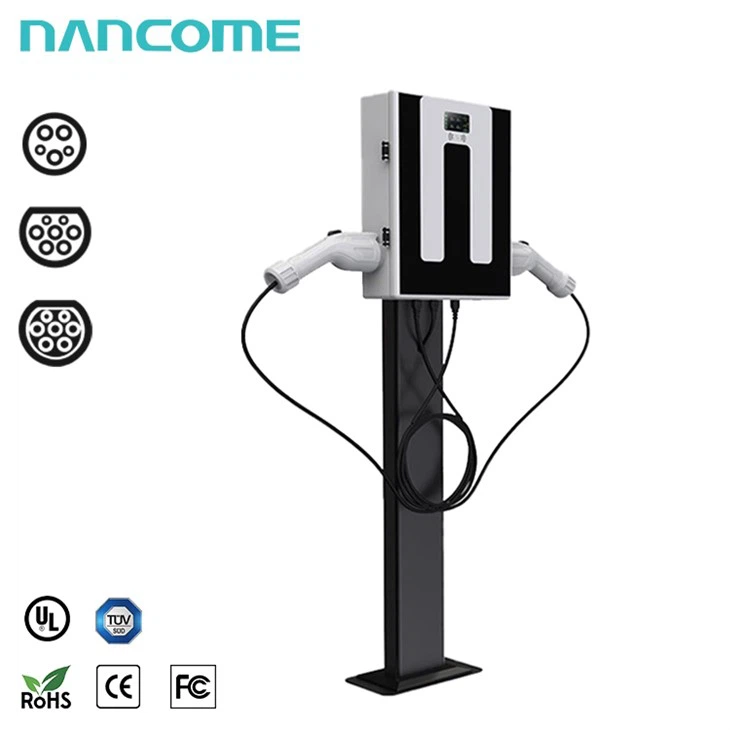
Fast charging (Level 2) operates at higher voltages (240V) and power outputs ranging from 3.3 kW to 19.2 kW. These chargers are commonly found in residential settings, workplaces, and public charging stations.
Advantages:
Quicker Charging: Significantly reduces charging time to around 4-8 hours for a full charge, depending on the vehicle and charger power.
Versatility: Suitable for a variety of locations including homes, businesses, and public areas.
Improved Convenience: Allows for convenient mid-day charging during work hours or shopping trips.
Challenges:
Installation Costs: Higher initial installation costs compared to Level 1 charging due to the need for specialized equipment and potentially upgraded electrical infrastructure.
Infrastructure Requirements: Requires dedicated circuits and, often, professional installation services.
Optimal Use Scenarios:
Residential charging for users who need quicker charge times than Level 1 can provide.
Workplace charging solutions for employees.
Public charging stations in shopping centers, hotels, and parking garages.
Ultra-Fast Charging (Level 3/DC Fast Charging)
Description:
Ultra-fast charging (Level 3) uses direct current (DC) and operates at high power levels (50 kW to 350 kW or more), providing the fastest charging rates available.
Advantages:
Rapid Charging: Can charge an EV battery to 80% within 20 to 40 minutes, depending on the charger and vehicle compatibility.
Convenience for Long Trips: Ideal for highway rest stops and other locations where quick top-ups are necessary for long-distance travel.
Boost to EV Adoption: Addresses the range anxiety issue by providing fast and reliable charging options.
Challenges:
High Costs: Significant initial investment for installation and maintenance due to the advanced technology and power requirements.
Battery Impact: Frequent use can lead to increased battery degradation over time.
Infrastructure Requirements: Requires robust electrical infrastructure and, often, grid upgrades.
Optimal Use Scenarios:
Highway rest stops and service areas for long-distance travelers.
Urban centers where quick turnaround charging is essential.
Fleet operations needing rapid and frequent charging cycles.
Latest Trends and Innovations
Recent advancements in EV charging technology are bridging the gaps between these methods:
Battery Swapping: Companies like NIO are exploring battery swapping as an alternative, aiming to reduce downtime even further than ultra-fast charging.
Smart Charging Solutions: Integration with smart grids and renewable energy sources to optimize charging times and reduce costs.
Higher Power Outputs: Emerging ultra-fast chargers with capabilities exceeding 400 kW are being tested, which could further reduce charging times.
Wireless Charging: Ongoing developments in wireless or inductive charging could provide more convenient options, particularly for Level 1 and Level 2 scenarios.

Determining the "best" charging method depends on various factors including the user's driving habits, vehicle type, and access to charging infrastructure. Slow charging offers cost-effective and battery-friendly options for overnight or extended-duration charging, while fast charging provides a versatile and quicker solution for daily use. Ultra-fast charging stands out for its rapid turnaround, critical for long-distance travel and quick top-ups. As the EV market continues to grow, advancements in technology and infrastructure will further refine these options, enhancing the overall charging experience and encouraging broader EV adoption.


