

Are DIY EV Charger Installations Advisable for Homeowners?
Dec 21, 2023
When it comes to embracing the electric vehicle (EV) revolution, one crucial aspect that potential and current EV owners grapple with is charging infrastructure. Specifically, the consideration of installing a DIY EV charger at home. As an expert in the field of charging station data analysis and a prominent industry writer, I can shed some light on the advantages and potential concerns of going the DIY route.
Convenience at Your Doorstep
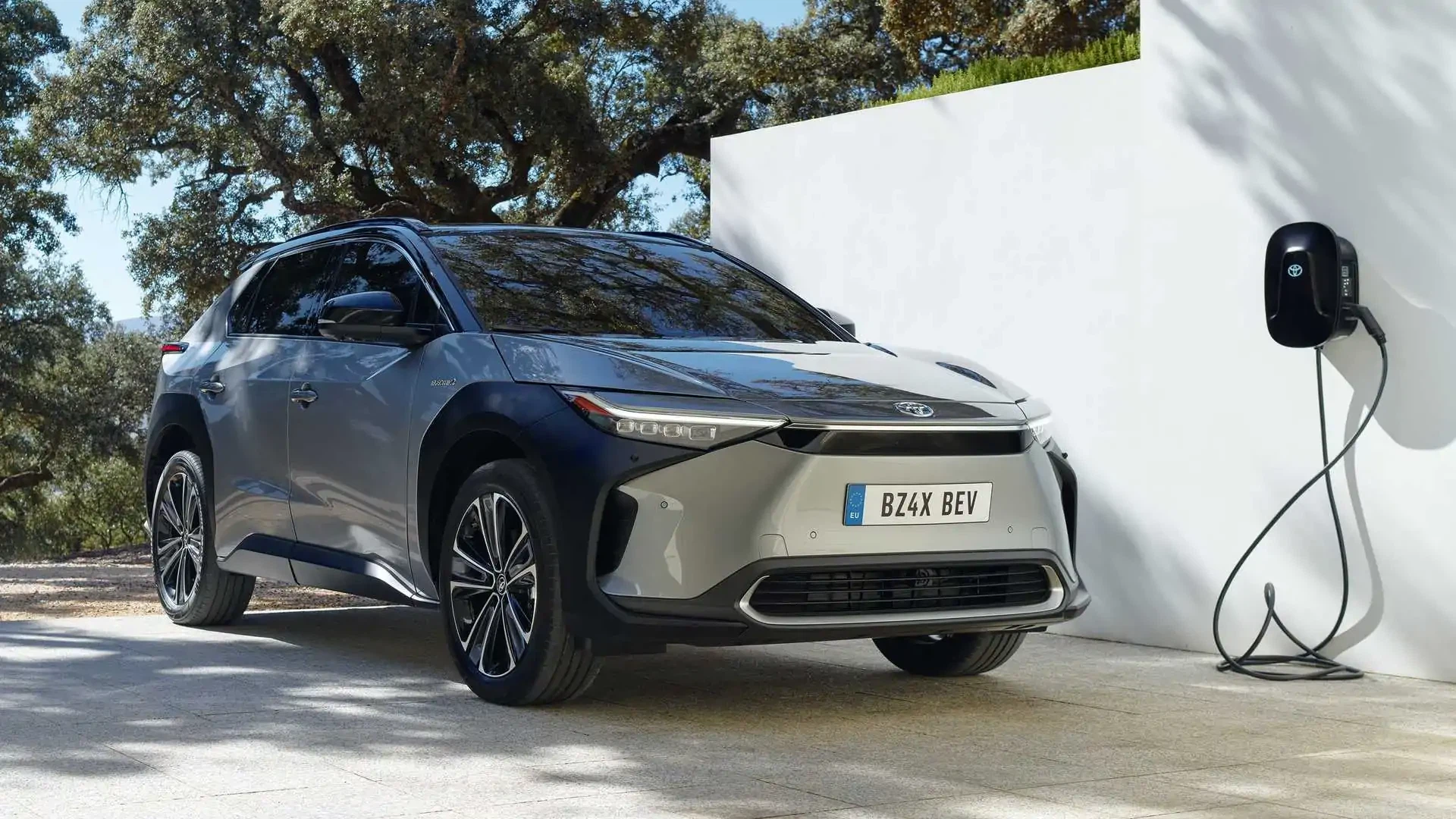
For most EV owners, the convenience of charging at home is unparalleled. Imagine waking up every morning to a fully charged vehicle, ready to transport you to your next destination without a hitch. DIY installation could potentially save you the hassle and expense of professional installation, making the dream of a home charging station more accessible.
Cost Considerations
One of the most compelling reasons for a DIY installation is cost-saving. Professional installation can add a significant amount to your initial investment in EV technology. By taking the DIY approach, you save on labor costs and potentially some materials if you're savvy with sourcing components. However, there may be hidden expenses such as permits, additional tools, or electrical upgrades needed, which must be carefully weighed.
Quality and Safety Assurance
The lure of cost savings may be tempting, but safety should never be compromised. A DIY setup requires a solid understanding of electrical systems and adherence to building codes and safety standards. Incorrect installation can lead to personal injury, electrical fires, or damage to your EV or home. You should always consider whether the quality assurance and peace of mind that a certified electrician provides are worth the extra investment.
Boosting Home Value
Another point to consider is that a professionally installed EV charging station could potentially increase the resale value of your home. Prospective homebuyers may view a certified charging installation as a valuable asset, akin to a modern upgrade like solar panels or a renovated kitchen. Conversely, a DIY job might not hold the same appeal and could even raise concerns about the integrity of the home's electrical system.
Customization vs. Standardization
With a DIY installation, you have the flexibility to choose components that fit your specific charging needs and preferences. This could mean a tailor-made solution that caters perfectly to your EV model, charging speed preferences, and aesthetic considerations. However, standardized products often come with warranties and customer support that can prove invaluable, especially in the event of a malfunction.
Potential for Ongoing Maintenance
A professional installation often comes with the added benefit of a service agreement, meaning any future maintenance issues would be handled by experts. A DIY EV charger isn't covered by the same guarantees, potentially leaving you responsible for any troubleshooting or repairs down the line. Before deciding on a DIY install, consider your ability and willingness to deal with these potential challenges.
Regulatory Compliance and Insurance Implications
It's crucial to be aware of local regulations and insurance policy stipulations that could affect your decision to install an EV charger yourself. Some regions may have strict codes that require professional installation, while your insurance provider may have clauses regarding the self-installation of electrical equipment. Failure to adhere to such regulations and policies could result in liabilities or void warranties.
The Verdict
While there are clear advantages to installing a DIY EV charger, such as cost savings and customization, the decision should not be taken lightly. Safety, quality, regulatory compliance, insurance implications, maintenance, and the potential impact on home value are significant considerations. If you possess the necessary expertise and confidence to ensure a safe and compliant installation, a DIY EV charger could be a rewarding project. However, for those without such experience, the risks may outweigh the benefits, making a professional installation the safer and more prudent choice.
It is imperative to conduct thorough research, consider all variables, and possibly consult with an electrician before diving into a DIY EV charger installation. As a would-be charging station owner, you want the most efficient, convenient, and reliable setup, professional or DIY, that transitions smoothly into the electrified future of transportation.


